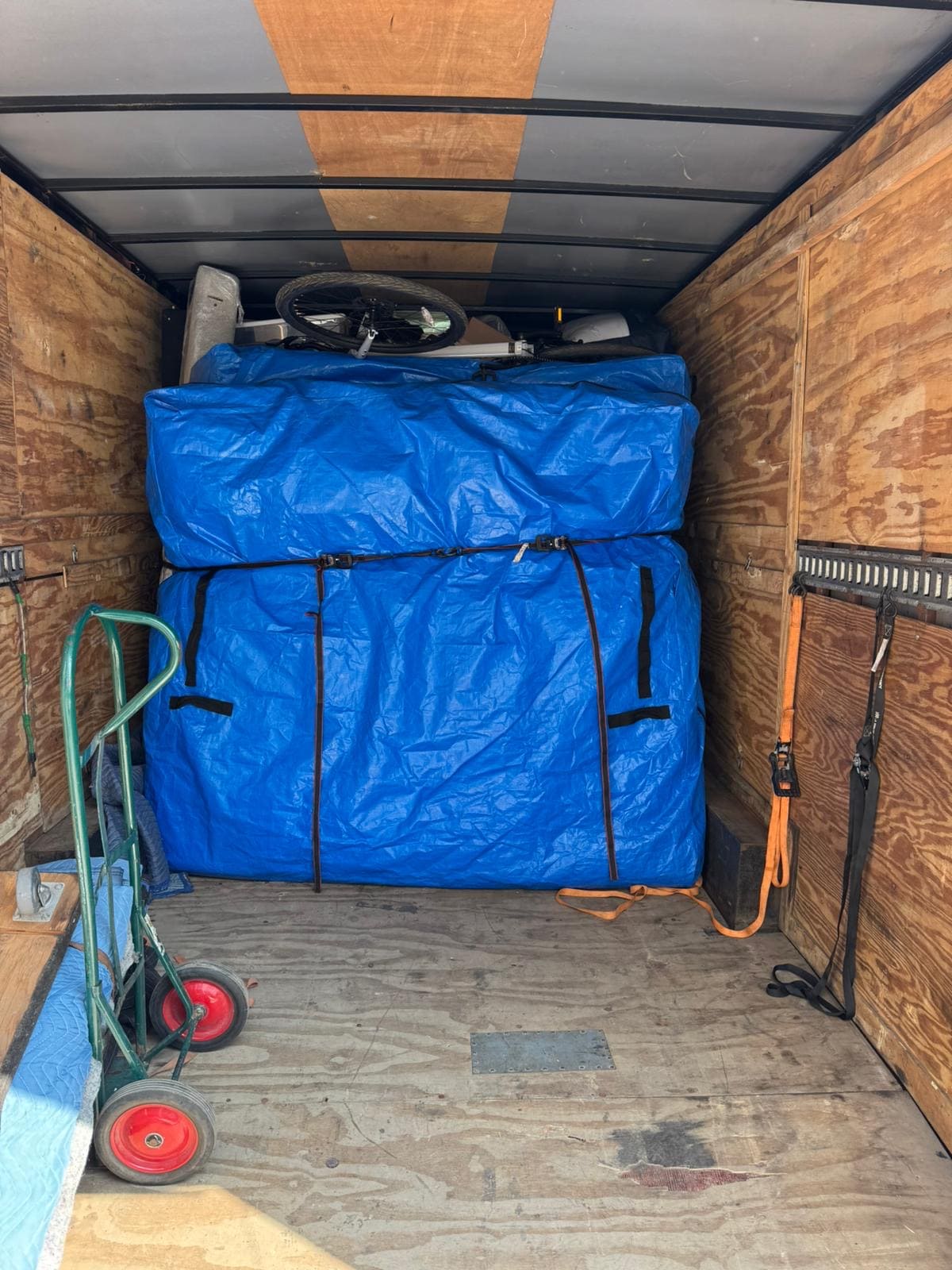



Virginia is essentially three different states from a logistics perspective. Northern Virginia (Arlington, Alexandria, Tysons, Reston, Fairfax) is functionally part of the DC metro – most of our pickups here are federal contractors, defense industry professionals from Lockheed Martin and Northrop Grumman, and tech workers from the AWS GovCloud campus moving to Toronto operations. Hampton Roads (Virginia Beach, Norfolk, Chesapeake, Newport News) is dominated by Naval Station Norfolk and military families transitioning from active duty to civilian roles in Canada. Richmond and the central state contribute Capital One, Altria, and VCU Health relocations.
A few operational details are worth flagging on this lane. Hampton Roads pickups during base-housing turnover season (typically late spring and summer when PCS orders cycle) require flexibility – military housing offices have fixed move-out windows and we work backward from those dates. Northern Virginia high-rises in Rosslyn and Crystal City need standard COI documentation, while Old Town Alexandria's narrow brick streets sometimes call for shuttle truck support. Hurricane season (June through November) occasionally affects Virginia Beach pickups when storms track up the Atlantic. The quote covers the agreed inventory volume, route, access and services. Confirm any packing, shuttle or storage needs before booking. Changes to the inventory or service scope should be agreed with the team before additional work is carried out.
How Much Does it Cost to Move from Virginia Beach to Toronto?
| Type of Move | Estimated Cost |
|---|---|
| Small Move | $549 to $1,209 |
| 1 Bedroom Apartment | $1,209 to $2,619 |
| 2 Bedroom Apartment | $2,619 to $4,529 |
| 3 Bedroom House | $4,629 to $6,039 |
| Office Relocation | $1,509 to $9,059 |
Inventory Volume (Cubic Feet) + Distance/Route + Destination Logistics
Virginia quotes vary mostly based on which side of the state pickup happens. Northern Virginia generally falls into the cleaner end of the range – high-rise condos and townhouse pickups have predictable access, COI is standard, and inventory is usually 1-bedroom or 2-bedroom volume. Hampton Roads loads tend to run larger because military families often have full household contents, and base housing requires specific timing windows. Richmond falls in the middle, with a mix of urban Fan District row houses and suburban Short Pump volumes.